
Emotional Benefits of Protesting

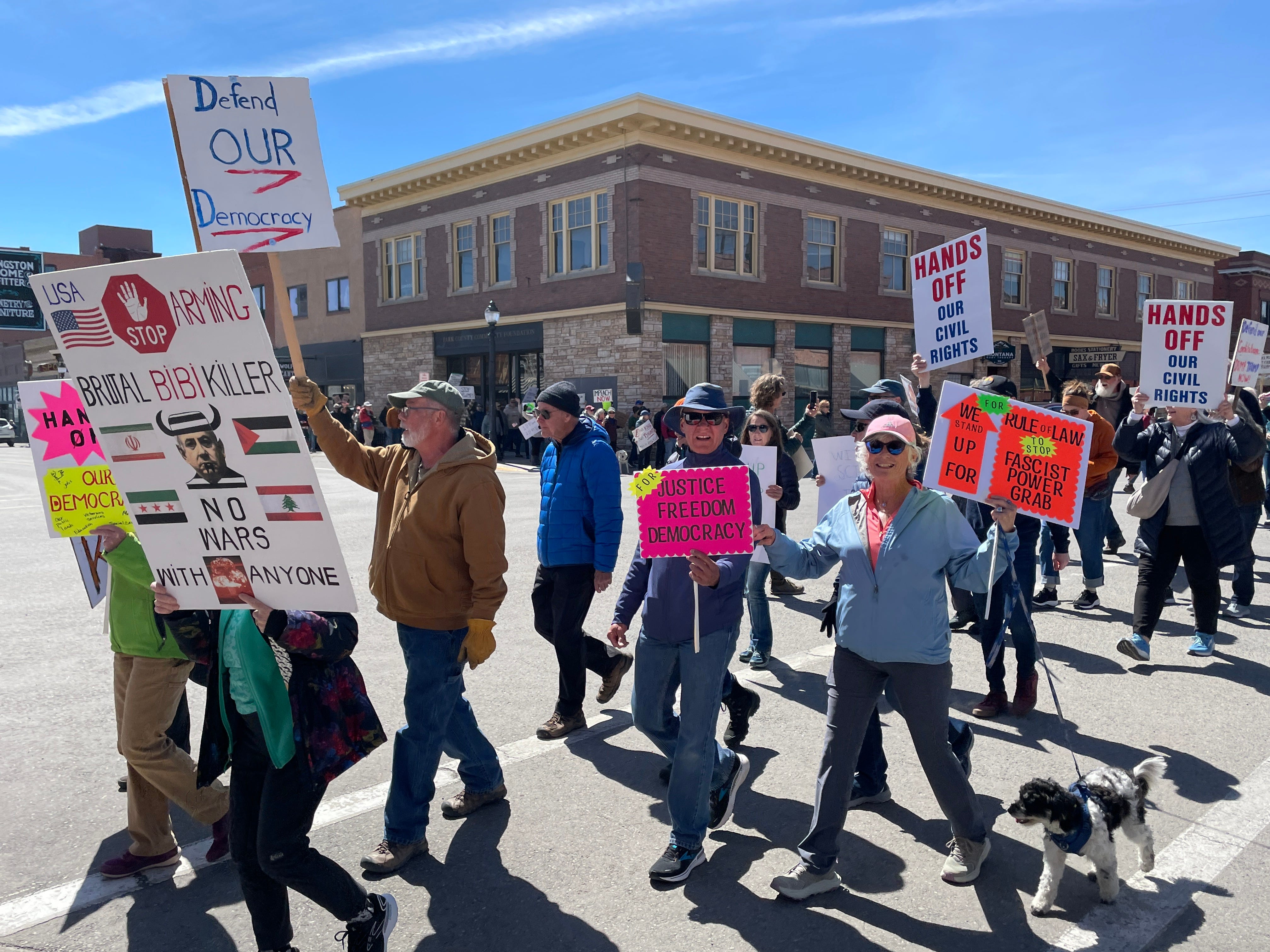
My guess is that by now you probably have attended a protest march or rally. You’ve spent time holding signs in the streets, chanting and singing, and walking and talking with others who share your values and determination. You may have come away feeling energized, happy, a part of something bigger, and excited to join more public protests.
As it turns out, scientific research backs up such positive results from protesting.
A paper published by a Swedish University examined studies of the emotions of U.S. protesters. Those studies found that protesting decreases negative emotions and increases positive ones. Those increased positive emotions lead protesters to seek and attend the next protest.
Of course, engaging in public protests can have negative consequences, too. A different study, this one from a university in the United Kingdom, found that protesting can leave a protester with physical and mental scars. The study detailed reports of “activists losing their jobs, getting burned out, being criminalized, getting arrested and/or treated violently by the police.”
But, before you cancel your attendance at the next protest, let me tell you how that same study also found there “are far more positive than negative consequences. For example, through participating in protests, we can learn new skills such as organizing workshops and managing the legal and societal system. We can change our consumer behaviour, we can become empowered, and we can gain new friendships and relationships."
And there’s more from that UK study. “Protest participants reported both increased well-being … and increased long-term happiness." Self-esteem can surge: “For example, by standing up for what we believe in together with others who share our views during a protest, we can become empowered and increase our confidence in ourselves, which may then stay with us and be applied to other areas of our lives.”
I hope you’ve felt many of these positive benefits—and none of the negative ones—as you headed home after protesting. I sure have. But I’ve also wondered whether those good feelings would last.
The UK study found that the endurance and strength of the positive changes appear to be connected with our relationships with other protesters. “To sustain the changes over time, we need to keep our ‘activist’ view of the world and ourselves alive.” The researchers looked at studies of a group of Swedish environmentalists and found that the activists who kept in touch with other activists stayed changed. Surprisingly, the connection could be online or physical.
Mary and I experienced a physical connection when we recently attended a monthly potluck we had been invited to join with other activist-oriented locals. Thirty-some folks attended. They ranged in age from working parents corraling energetic toddlers to seniors carefully helping each other up some stairs. To our delight, our vegetarian dish fit in well with a wide variety of vegetarian dishes others had brought. Some folks sat around a long rectangular table, eating and talking. The rest of us sat in a circle of chairs, enjoyed our meals, and got acquainted.
As our plates emptied, the organizer said it was time for everyone to join the circle. We would take turns introducing ourselves and sharing thoughts and feelings about any issue we considered important. A person could pass, but few did.
As the sharing evolved, the potluck went from feeding my body to feeding my mind and heart. I listened intently as folks shared how the attempted takeover and ravaging of our federal government was harming our small town’s high school, healthcare, library, hospital, economy, and more.
These were not just political issues; each person’s sharing was based on their personal experience. Their stories were intense, scary, and even depressing. Those were the negative emotions. But as I listened to my neighbors, I heard they would not go quietly. Their courage and determination inspired me and reminded me of what we are fighting against and for. They energized me to keep resisting. Those were positive emotions. As Mary and I drove home after the two-hour potluck, we discussed how we felt recharged and ready to continue the fight the next day, even after many long, hard days in a row.
This feeling of being revitalized is also supported by scientific research. A paper published on the Political Psychology website reviewed several studies. Two found that “activists were more likely to be ‘flourishing’ than were nonactivists.” A third study found that those engaged in brief activist behavior “reported significantly higher levels of subjective vitality than did the subjects who engaged in the nonactivist behavior.” In short, the studies found activists felt more alive than non-activists.
But there’s a downside to the strength of those positive emotions generated by protesting and staying connected with other activists. People who were spending time alone at home emailing or calling their elected representatives may not feel like heading back to the desk, the computer, or the phone.
However, I believe that for us to protect our democracy, our constitution, and the services we need, we must protest from home as well as in the street. We must talk with our elected representatives along with other activists. Yes, sitting alone at home calling again and again as we try to speak to a human in the office of an evasive senator or representative can be frustrating and feel like a waste of time. So can sending an email that you are sure will be ignored or deleted. But those emails and phone calls matter. I'll discuss how they help make real changes in an upcoming column.
For now, let’s end with a reminder of how taking to the streets helps. A few weeks ago, I asked folks how they felt after participating in a protest at the Roosevelt Arch in Yellowstone National Park. Many said they had been feeling the frustration of protesting from home, calling and emailing their representatives with little or no response. They couldn’t help but sadly wonder if they were making any difference.
But after spending time at the Arch with like-minded protesters, they felt ready to join more public protests and return to protesting from home. The positive emotions they experienced in the street that day overcame the negative emotions they had felt when protesting from home.
That’s the wonderful benefit of protesting.
Yours in Resistance,
Rick
This is wonderful, Rick. Thank you for sharing your thoughts and experiences! I believe that coming together with shared ideologies of kindness and wanting life to be better for everyone can never have too many downsides that aren’t worth dancing and peacefully fighting for.
🩷🔥🔥
Thanks for starting this substack. I live in a small rural town, Hayward, in northwest Wisconsin. It's in a county that is more conservative than not, but not as conservative as some of the surrounding counties. Our protest yesterday had about 70 people and we got far more positive horn beeps and thumbs up than negative, which was encouraging.